Shakespeare Farm Training FAQs

Shakespeare Farm • August 18, 2025
More Information on Training at Shakespeare Farm

Shakespeare Farm offers a range of personalized training, coaching, and rehabilitative programs designed to support both the horse and the rider—no matter your discipline or experience level.

Training FAQs

At Shakespeare Farm, we specialize in the quiet recovery of horses impacted by force, poor biomechanics, or overtraining. Our programs blend classical dressage, hands-on bodywork, and somatic awareness to restore balance and rebuild trust—one horse at a time.
  • RESTORING MOVEMENT, REBUILDING TRUST

    At Shakespeare Farm, we specialize in rehabilitating horses whose natural movement—and autonomy—has been erased by years of overflexion, poor saddle fit, mechanical aids, and training methods rooted in force rather than feel.


    These horses often arrive at Shakespeare Farm shut down or defensive, braced against the hand, the leg, or even the idea of being asked. They've lost not only the biomechanics of healthy movement, but the confidence to move freely at all.


    Before we can apply any meaningful training technique—even from the most classical schools—we must first restore what was lost:

    • The horse’s natural movement vocabulary.
    • The horse’s sense of physical and emotional safety.
    • The horse’s trust in the conversation.

  • WHY WE ALLOW SO MUCH FREEDOM

    To some observers, our work might appear unstructured. Horses are allowed to move without being "framed" or "collected." But this freedom is not an absence of discipline—it is the first stage of repair.


    In this phase, we allow the horse to:

    • Move without restriction
    • Re-pattern old trauma through spontaneous motion
    • Explore posture and balance without pressure or correction
    • Rebuild proprioception and body awareness in motion

    When a horse is emerging from years of being held tightly—mentally and physically—even containment becomes a trigger. Asking for bend, collection, or outline too early can simply recreate the brace we’re trying to dissolve.


    We do not interrupt this phase. We hold space for it—because it is the bridge back to soundness.


  • WE DON'T ASK WHAT THEY CAN'T GIVE

    Every movement we ask for must be something the horse is capable of giving—physically, emotionally, and neurologically. If he cannot soften into a turn without bracing, then we do not demand it. If his body is not yet strong enough to carry himself, we do not force him to “lift.”


    Instead, we observe what he offers, support his exploration, and gradually introduce techniques that feel better—not just look better.


    Only when the horse has rebuilt a sense of freedom, trust, and strength do we begin to reintroduce classical principles: flexion, cadence, straightness, and collection.


    But this time, they are earned—not imposed.


  • THIS IS NOT CONVENTIONAL. IT'S CORRECT.

    Anyone can put a horse in a frame. But we are not here to make shapes—we are here to make wholeness.


    What we build here is deeper than obedience. We build trust. We build strength. We build a new foundation that leads to authentic performance, free from fear or force.


    This work takes patience. It takes humility. And it’s not always pretty. But in time, it produces horses who move not because they’re told to—but because they can.


  • THE RETURN TO CLASSICAL PRINCIPLES

    Once the horse begins to move freely, soundly, and without fear—when they are ready—we transition into the next phase, which reintroduces the classical principles of dressage from a place of balance and clarity. This doesn’t mean returning to confinement. It means offering thoughtful, gymnastic guidance with tools that enhance rather than suppress.


    Flexion becomes a conversation, not a command. Straightness becomes a path, not a demand. Collection becomes the result of trust and strength, not coercion.


    In this way, classical principles are not abandoned—they are honored in their truest form: as a way to support the horse’s natural movement, not override it.

    You’re not just restoring biomechanics, you’re restoring emotional and cognitive capacity—the horse’s ability to process, receive, and participate in communication. That’s what makes the method not just rehabilitative, but relational.


By Shakespeare Farm December 11, 2025
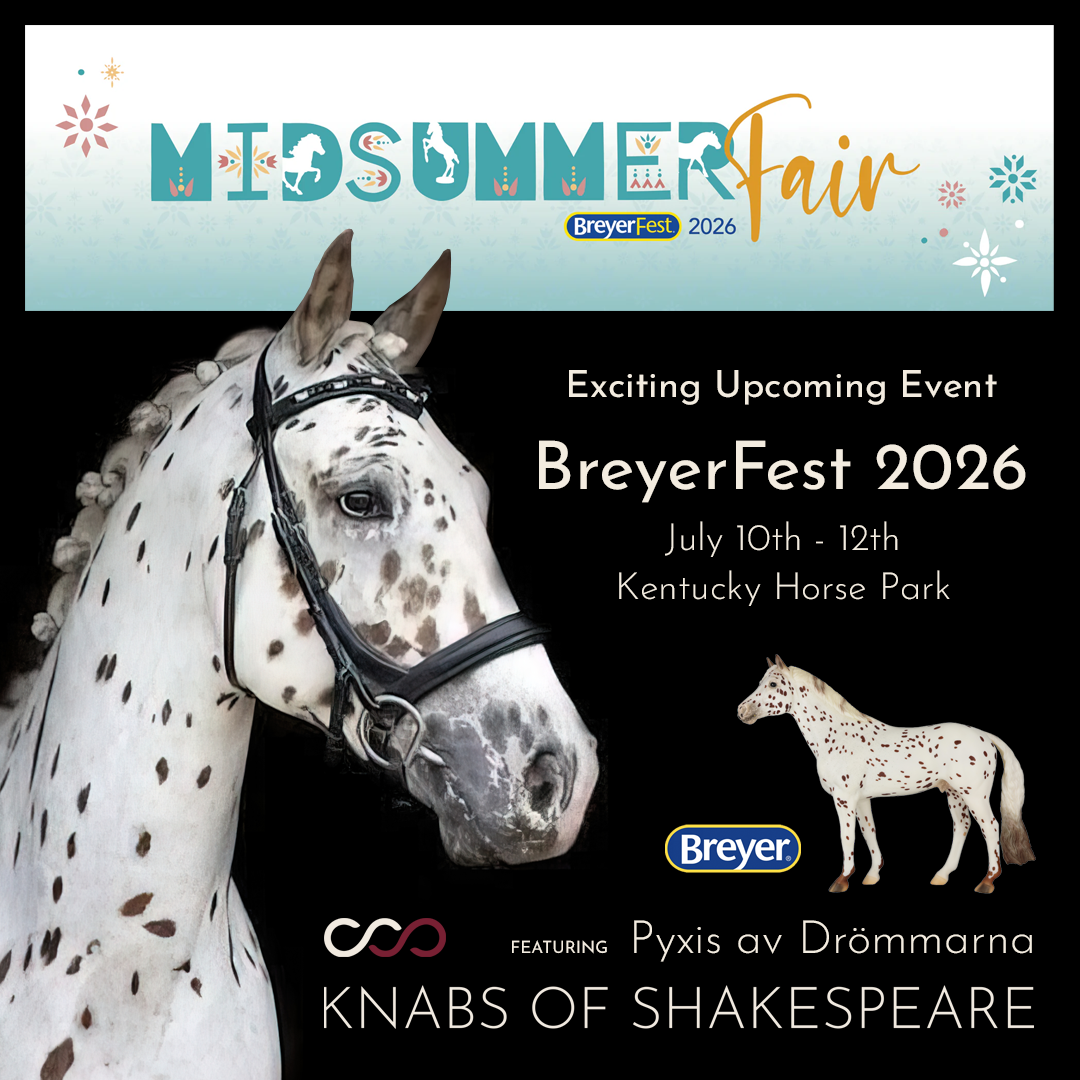
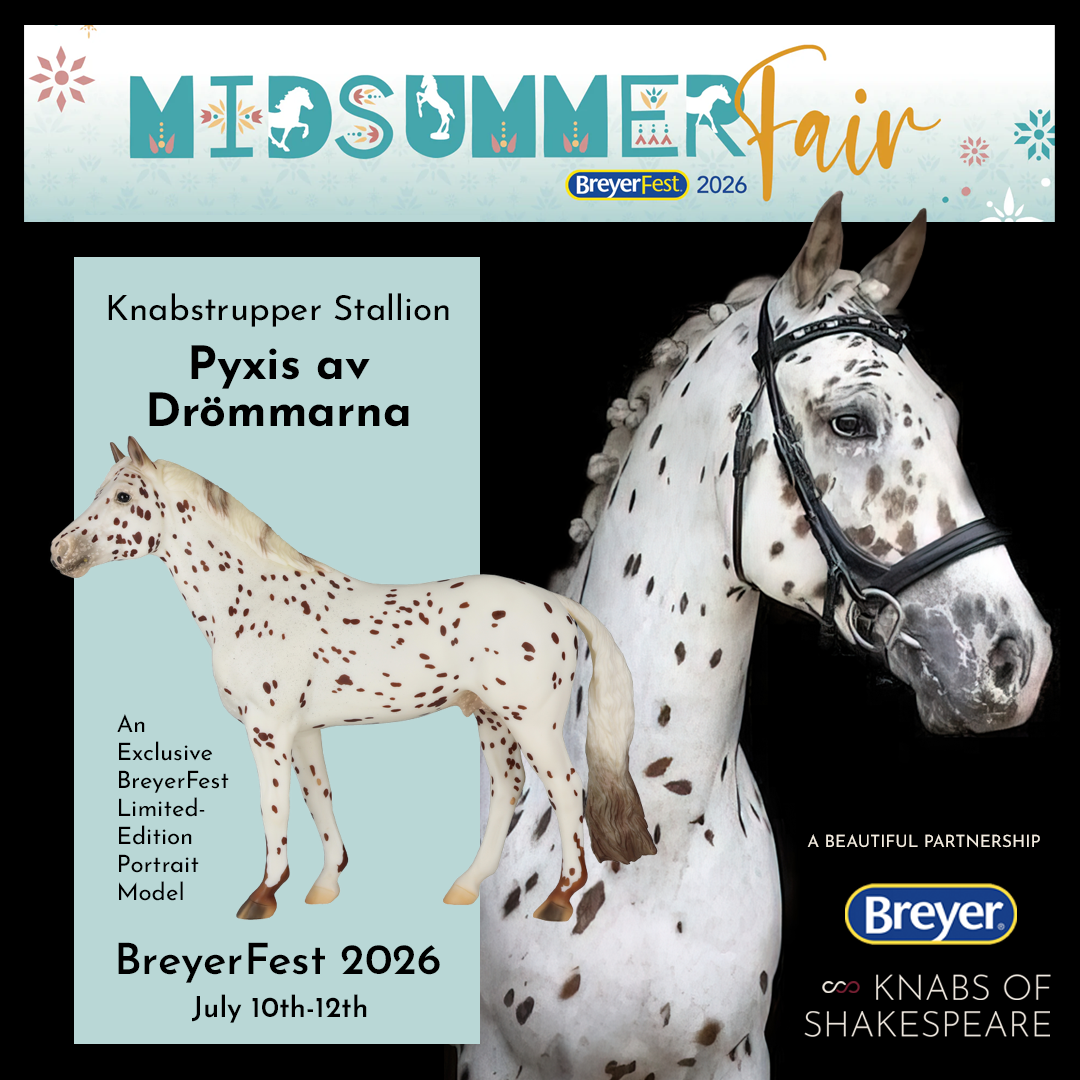
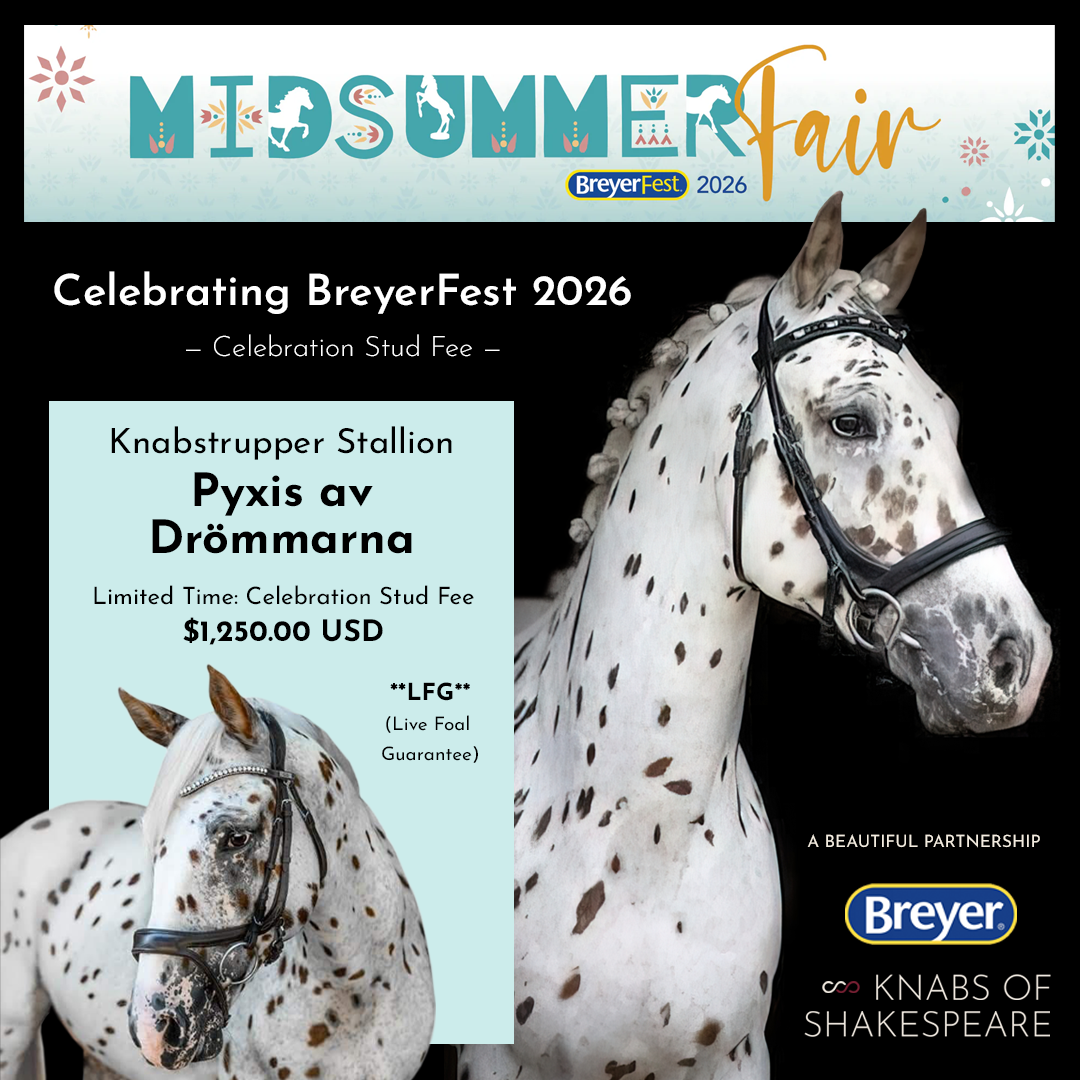
Shakespeare Farm is Proud to Welcome Knabstrupper Stallion, Pyxis av Drömmarna
By Shakespeare Farm November 11, 2025
A Quiet Horse Versus A Horse That’s Been Quieted
By Shakespeare Farm October 26, 2025
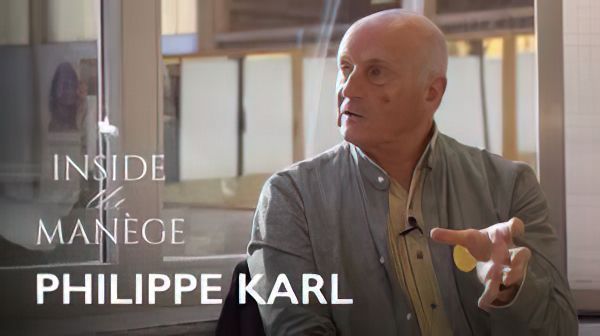
Philippe Karl on the Problems of Modern Dressage and the Essence of French Classical Riding
By Kimberly Ramirez October 2, 2025
My Journey with the Masterson Method
By Shakespeare Farm September 22, 2025
How's That Working for You?
By Kimberly Ramirez September 8, 2025
My Time With Tom Dorrance By Kimberly Ramirez
By Shakespeare Farm August 2, 2025
Shakespeare Farm Training Programs
By Shakespeare Farm July 16, 2025
Location, Location, Location!
By Shakespeare Farm June 21, 2025
UPCOMING EVENT Invitation-Only Open House and Training Demo Saturday - April 25th, 2026
By Shakespeare Farm June 21, 2025
What is A Masterson Method Certified Practitioner (MMCP)?